7 Best DIY Vertical Jump Trainer Options for Home Training (2026)
Compare seven DIY vertical jump trainer options for home training. See key features, best-fit uses and pros and cons to pick the right jump tool for you.
 By Graham Fisher
Updated November 24, 2026
 By Graham Fisher
Updated November 2026
Looking for a diy vertical jump trainer that actually helps you measure and build height? Most players who search this phrase want one of two things: a way to track progress without a gym, or a simple setup that reaches the jump markers they need. This list focuses on the criteria that matter most for that goal: measurement range, adjustability, portability, how the device is mounted or anchored, and how well it suits basketball specifically. Each pick below is a real product listed on Amazon, and the notes come from manufacturer specifications and common owner feedback patterns rather than hands-on trials.
Our top picks at a glance
- 1TOP CHOICEBest overallVENIX POWER Patented Vertical Jump Tester & TrainerView on Amazon
- 2
 TOP CHOICEBest for wall-mounted measuringAdjustable Height Vertical Jump Tester (47.24"–137.8")View on Amazon
- 3
 TOP CHOICEBest for outdoor and indoor useWall Mounted Vertical Jump Tester (Four Color)View on Amazon
- 4
 Best for coaches and official-style testingSports Imports Vertec Jump TrainerView on Amazon
- 5
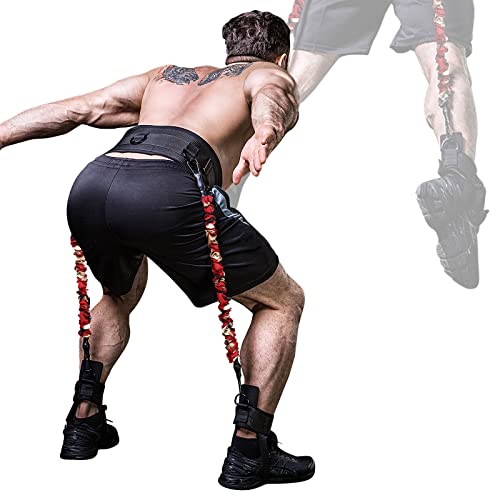 Best for home gym resistance trainingINNSTAR Vertical Jump Trainer (Passion 50Lbs)View on Amazon
- 6
 Best budget pickLANBVIELT Vertical Jump Tester (2.29ft Adjustable)View on Amazon
- 7
 Best for tall athletes and large resistance rangecelestite Vertical Jump Trainer (Vertimax-style, 120lbs)View on Amazon
Our Top Picks
Quick Comparison
| Product | Best for | Key feature |
|---|---|---|
| VENIX POWER Patented Vertical Jump Tester & Trainer | Measuring jump height at home or in a gym | Pole-style height measurement tool |
| Adjustable Height Vertical Jump Tester (47.24"–137.8") | Wall-mounted progress tracking | Wide adjustable height range |
| Wall Mounted Vertical Jump Tester (Four Color) | Indoor and outdoor measuring | Wall mount with 47.24"–137.8" range |
| Sports Imports Vertec Jump Trainer | Coaches and serious measured testing | Vanes measured in half-inch increments |
| INNSTAR Vertical Jump Trainer (Passion 50Lbs) | Home gym resistance jump training | Resistance bands with a portable frame |
| LANBVIELT Vertical Jump Tester (2.29ft Adjustable) | Budget-conscious home testing | Adjustable height wall-mounted tester |
| celestite Vertical Jump Trainer (Vertimax-style, 120lbs) | Taller athletes wanting heavy resistance | Adjustable height range up to 6’8" with 120lb resistance |
VENIX POWER Patented Vertical Jump Tester & Trainer
VENIX POWER® Patented Vertical Jump Tester & Trainer, Jumping Height Measurement Tool Equipment Pole for Training Practice Test, Volleyball Basketball Exercise Aid, High Higher Vertical Jump Box
Best for: Measuring jump height at home or in a gym
This is a good fit for basketball and volleyball players who want a clear, repeatable height reading and a simple way to log progress week to week. It works as a standalone measurement tool rather than a resistance device.
Key specs
- Pole-style vertical jump measurement tool
- Designed for volleyball and basketball jump testing
- Also marketed as a jump box-style trainer
Pros
- Simple to set up and read
- Suits repeat testing for progress tracking
- Useful for both solo and partner sessions
Cons
- Measures height but does not build strength on its own
- Requires a stable, clear space to use safely
Bottom line: A strong choice for players who mainly want accurate measurement at home and plan to pair it with plyometric work.
View on AmazonAdjustable Height Vertical Jump Tester (47.24"–137.8")
Adjustable Height Vertical Jump Tester, 47.24''-137.8" Wall-Mounted Vertical Jump Measurement Tool, School Gym Verticals Jumps Trainer Training Equipment, Verticals Jumps Tester Outdoor Use
Best for: Wall-mounted progress tracking
Players who want to mark their reach and jump height on a wall will appreciate the adjustable range. The listing describes it for school gyms and outdoor use, so it suits shared or varied training spaces.
Key specs
- Adjustable height from 47.24 inches to 137.8 inches
- Wall-mounted design
- Listed for indoor and outdoor use
Pros
- Wide height range covers most youth and adult reaches
- Easy to reposition between sessions
- Works for group drills in school or club settings
Cons
- Needs a secure wall surface and careful mounting
- Wall mounts can shift if not anchored well, so check fasteners before each use
Bottom line: Best for players and small groups who want a permanent-style wall setup with a large adjustment range.
View on AmazonWall Mounted Vertical Jump Tester (Four Color)
Wall Mounted Vertical Jump Tester 47.24''-137.8" Adjustable Height Vertical Jump Measurement Tool, Outdoor/Indoor Vertical Jump Trainer for Measuring Test, Basketball Volleyball Training(Four Color)
Best for: Indoor and outdoor measuring
This model is a near relative of the wall-mounted tester above, with the same height range and a color-coded design. It fits players who train in more than one location.
Key specs
- Adjustable height from 47.24 inches to 137.8 inches
- Wall-mounted measurement tool
- Marketed for basketball and volleyball training
Pros
- Color-coded markings make reading easier
- Works both indoors and outdoors
- Suitable for repeat testing
Cons
- Requires a flat, stable mounting surface
- Outdoor exposure may affect long-term wear
Bottom line: A good pick for players who want the same wall-mounted function with a more visual, color-coded reading.
View on AmazonSports Imports Vertec Jump Trainer
Sports Imports Vertec Jump Trainer, Original Vertical Jump Tester for Athletes and Coaches, Measures 6 to 12 Feet in Half Inch Increments
Best for: Coaches and serious measured testing
The Vertec style is widely used by coaches for standardized vertical testing because it measures reach in fine increments. It is better suited to structured testing than casual home use.
Key specs
- Measures from 6 to 12 feet
- Half-inch increments
- Vane-style jump tester design
Pros
- Fine half-inch readings support accurate tracking
- Recognized design among coaches and athletes
- Good for group testing sessions
Cons
- Takes more setup space than a wall-mounted unit
- Less practical for solo training in tight rooms
Bottom line: The right choice for coaches and athletes who want standardized, precise measurements over casual home use.
View on AmazonINNSTAR Vertical Jump Trainer (Passion 50Lbs)
INNSTAR Vertical Jump Trainer for Volleyball Basketball Home Gym, Jump Machine Resistance Bands, Easy to Carry, Adjustable Jump Training Equipment (Passion 50Lbs)
Best for: Home gym resistance jump training
Unlike the measurement tools above, this is a resistance trainer. Players who want to build power through the jump itself, not just track it, will find this more useful. It is designed for volleyball and basketball home gyms.
Key specs
- Resistance band system
- Marketed with a 50 lb resistance option
- Portable, easy-to-carry frame
Pros
- Builds jump power with adjustable resistance
- Compact enough for a home gym corner
- Useful for both solo and team drills
Cons
- Does not measure height on its own
- Resistance bands wear over time and need periodic inspection
Bottom line: A strong fit for players focused on building explosive strength at home rather than just measuring height. For more on bands, see 3 Best Vertical Jump Trainer Resistance Bands for Basketball Players (2026).
View on AmazonLANBVIELT Vertical Jump Tester (2.29ft Adjustable)
LANBVIELT Vertical Jump Tester,2.29ft Adjustable Height Vertical Trainer,Wall-Mounted Measurement Tool for Bakstball Volleyball Training
Best for: Budget-conscious home testing
A budget pick for players who want a basic wall-mounted tester without extra features. It suits beginners setting a baseline.
Key specs
- Adjustable height in the listing
- Wall-mounted measurement tool
- Marketed for basketball and volleyball training
Pros
- Straightforward design with few parts
- Good entry point for tracking progress
- Easy to reposition
Cons
- Fewer features than premium models
- Build quality varies by owner reports, so inspect it on arrival
Bottom line: A sensible starting point for players who want a simple tool without spending heavily on extras. A related read: Top 5 Lifeline Vertical Jump Trainer Options for Every Need.
View on Amazoncelestite Vertical Jump Trainer (Vertimax-style, 120lbs)
celestite Vertical Jump Trainer for Volleyball Basketball Home Gym, Vertimax Jump Machine Resistance Bands, Adjustable Jump Training Equipment Substitute Plyometric Jump Box (Height 5'3-6'8"-120lbs)
Best for: Taller athletes wanting heavy resistance
This resistance system is listed for a wide height range and heavy band tension, which suits taller players or those progressing past lighter bands. It is a jump machine-style trainer, not a measurement tool.
Key specs
- Listed height range 5’3" to 6’8"
- Listed resistance up to 120 lbs
- Substitute plyometric jump box style
Pros
- Wide height range suits many body sizes
- Heavy resistance supports strength-based jump work
- Works as a home plyometric tool
Cons
- Heavy resistance requires careful setup and anchoring
- Not a measurement tool, so pair it with a tester for progress data
Bottom line: Best for experienced players and taller athletes who want serious resistance work. For a broader plan, see Vertical Jump Training Basketball: A 6-Week Plan to Get Higher.
View on AmazonBuying Guide
Measurement range and adjustability
Check the minimum and maximum height the device reads. Players often need a range that covers both their standing reach and their jump peak. Adjustable wall-mounted models make it easy to re-set for different ages or heights.
Good picks for this: Adjustable Height Vertical Jump Tester (47.24"–137.8"), Wall Mounted Vertical Jump Tester (Four Color)
Measurement vs. resistance
Decide whether you need a tool that tells you how high you jump or one that makes you jump stronger. Testers record progress; resistance trainers build power. Many players use one of each.
Good picks for this: VENIX POWER Patented Vertical Jump Tester & Trainer, INNSTAR Vertical Jump Trainer (Passion 50Lbs)
Size and space
Measure your training area before you buy. Wall-mounted testers need clear wall space and a level surface. Vane-style testers need open floor space extending to the full measured height.
Good picks for this: Sports Imports Vertec Jump Trainer, LANBVIELT Vertical Jump Tester (2.29ft Adjustable)
Resistance level and progression
Resistance systems are usually listed by maximum pounds. Start with a lower setting that lets you keep good form, then increase gradually. Heavier bands suit experienced athletes, not beginners.
Good picks for this: celestite Vertical Jump Trainer (Vertimax-style, 120lbs), INNSTAR Vertical Jump Trainer (Passion 50Lbs)
Durability and mounting security
For wall-mounted units, check the fasteners and the wall material. Outdoor use exposes materials to weather. Inspect bands and straps for fraying before each session.
Good picks for this: Adjustable Height Vertical Jump Tester (47.24"–137.8"), Sports Imports Vertec Jump Trainer
Use case: solo or team
Solo players usually want a compact, easy-to-reset device. Team or school use calls for a tool that several players can read quickly. Consider how many people will use it and how often.
Good picks for this: Adjustable Height Vertical Jump Tester (47.24"–137.8"), VENIX POWER Patented Vertical Jump Tester & Trainer
Care and maintenance
Wipe down surfaces after use, store bands away from heat and sunlight, and re-check mounting hardware every few weeks. These steps extend the life of any trainer on this list.
Good picks for this: INNSTAR Vertical Jump Trainer (Passion 50Lbs), LANBVIELT Vertical Jump Tester (2.29ft Adjustable)
FAQ
What is a diy vertical jump trainer?
A diy vertical jump trainer is any setup you build or assemble at home to measure or improve your vertical jump. It may be a wall-mounted measuring tool, a vane-style tester, or a resistance band system. The goal is either to track height or to build the power behind it.
Do I need a measuring tool or a resistance trainer?
It depends on your goal. A measuring tool tells you where you are and lets you track progress. A resistance trainer helps build the strength and power behind the jump. Many players use both.
How often should I test my vertical?
Most coaches suggest testing every two to four weeks under consistent conditions, such as the same time of day, warm-up, and surface. Frequent testing without rest can give misleading results.
Are resistance bands safe for jump training?
Resistance bands can be used safely when you follow the manufacturer’s weight and setup guidance and inspect them before each session. Check for cracks, fraying or loose anchors. If you have joint or heart concerns, consult a doctor or certified trainer before starting a new program.
Can I mount a wall tester on any wall?
Not always. Use a solid, level wall surface and appropriate fasteners. Drywall alone may not hold a mounted unit securely. Consult a professional installer if you are unsure about your wall type.
How long does it take to see vertical gains?
Results vary with age, starting height, and training consistency. Many players report gains over several weeks of regular plyometric and strength work, but no single timeline is guaranteed.
Which option is best for a beginner?
A simple wall-mounted tester or the budget-focused LANBVIELT model is a practical starting point. It gives you a baseline without requiring a complex setup.
Conclusion
For most home players, a diy vertical jump trainer works best when it matches your goal. If you mainly want accurate measurement, the VENIX POWER tester or an adjustable wall-mounted unit is a strong fit. If you want to build jump power, the INNSTAR or celestite resistance systems deliver more training stimulus. Coaches who need standardized testing should look at the Vertec-style option. Pair a measuring tool with a resistance trainer for the most complete home setup, and use the related guides on this site to build a full program.
Sources
- Consumer safety guidance on home exercise equipment, including setup and use recommendations (cpsc.gov)
- Position guidance on exercise testing and training principles (acsm.org)
- Research summaries on plyometric and resistance training for jump performance (nih.gov)
Related reading
- Top 5 Hopz Vertical Jump Trainer Picks for Every Need
- Personal Trainer for Vertical Jump: What to Look For and How to Train
- 6 Best Vertical Jump Trainer Equipment for Basketball Players (2026)
- 6 Best Vertical High Jump Trainers for Basketball Players (2026)
- 5 Best Innstar Vertical Jump Trainer Picks for Home Training (2026)
About Graham Fisher
Graham Fisher is part of our editorial team and reviews and edits our basketball skills & drills guides, checking product details against manufacturer specifications and owner feedback.
About the author
Graham Fisher writes reviews and buying guides for Pressure Basketball.