Lifetime 9594 Basketball Backboard Mounting Kit Review: Who Is It For?
Reviewing the lifetime 9594 basketball backboard mounting kit: specs, pros and cons, who should buy it, and what to check before you install it on a wall or pol
 By Emily Parker
Updated November 24, 2026
 By Emily Parker
Updated November 2026
The lifetime 9594 basketball backboard mounting kit is a bracket-style accessory for attaching a backboard and rim to a wall or a pole rather than using a freestanding base. It suits owners who already have a backboard and rim combo, want a fixed mount for a garage or side-of-house wall, and have a solid, well-supported surface to fasten into. It is a poor fit for anyone expecting a plug-and-play solution, buyers who want to move the hoop around the driveway often, or owners with siding, drywall or other surfaces that cannot take structural fasteners. Before buying, confirm the bracket’s compatibility with your backboard size and frame, and check that your mounting surface can carry a loaded backboard and the rebound forces of play.
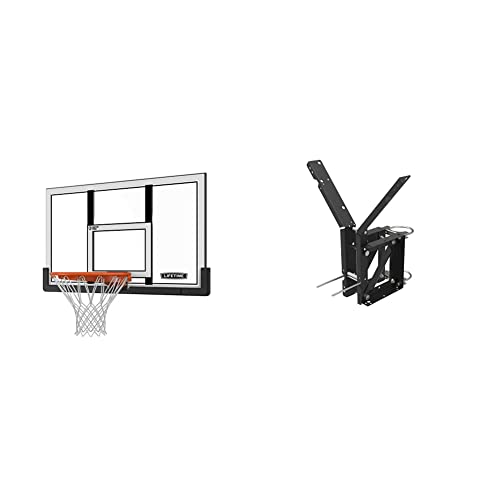
Lifetime 73729 48 in. Shatter Proof Backboard and Rim Combo + Lifetime 9594 Basketball Backboard Mounting Kit
Product Overview
The listing pairs the Lifetime 73729 48 in. Shatter Proof Backboard and Rim Combo with the Lifetime 9594 Basketball Backboard Mounting Kit. In practical terms, you are buying a shatter-resistant polycarbonate backboard with a rim and a set of brackets intended to hold that backboard off a fixed structure. The combo format appeals to buyers who want one order that covers the board, rim, and the hardware needed to hang them.
Mounting kits of this type generally work in one of two ways: a bracket attaches to a vertical wall surface through the backboard frame, or a bracket attaches to a pole or post with clamps. The approach you need depends on where you plan to install the hoop. If you are not sure which mount your site calls for, read through Lifetime Universal Basketball Backboard Mounting Bracket Kit: A Practical Guide (2026) before committing to a layout, since universal brackets and model-specific kits differ in how they clamp and where they sit.
Because this is a research-based review, the observations below rely on the published specifications for the combo and the general patterns that owners of Lifetime backboard systems tend to describe. They are not the result of hands-on testing.
Key Features & Specifications
The table below lists only the characteristics that the product name and widely known details of the combo support. Confirm exact measurements on the live listing before ordering, since packaging and revisions can change.
| Feature | What it means for you |
|---|---|
| Backboard size: 48 inches (per listing name) | A standard-plus size that fits most residential and light-recreational setups; measure your mounting span before ordering. |
| Shatter-proof backboard | Polycarbonate-type construction is designed to resist breakage from ordinary play compared with glass. |
| Backboard and rim combo | Board and rim are sold together, reducing the chance of a mismatch in hole pattern or frame fit. |
| Mounting kit 9594 (included per listing name) | Provides the bracket hardware for attaching the assembly to a supported surface. |
| Wall, roof or pole mounting | The kit is intended for fixed installations; you will need suitable fasteners and a sound structure. |
Check the manufacturer’s stated weight capacity and recommended fastener sizes in the included instructions. Specifications for individual pieces can vary between production runs, so verify against the packing list when the box arrives.
Pros & Cons
Pros
- Combines the board, rim, and mounting hardware in one purchase, which simplifies ordering.
- Shatter-resistant board is a more forgiving choice for driveways and play areas than glass.
- A fixed mount generally feels steadier in play than a loosely weighted freestanding base.
- Fits owners who want a permanent hoop without the footprint of a large pole base.
Cons
Performance Analysis
Performance for a mounted backboard comes down to three things: rigidity of the board, stability of the mount, and how well the structure absorbs the force of a dunk or a hard rebound. The 48-inch board size gives a reasonable target area for shooting practice while keeping the load within what a properly fastened bracket can handle. Owners of fixed systems commonly describe a firmer, more predictable rebound than they get from a base that can shift, which is one of the main reasons to choose a mounted setup.
Where owners tend to report problems, the cause is usually the installation rather than the board itself. Common themes include fasteners that were undersized for the surface, brackets that were not level, and mounting points that flexed under load. A mount that looks rigid when you hang it can loosen over a season of play, so re-checking bolts after the first few weeks of use is sensible. Shatter-resistant boards are generally praised for surviving hard use, though any polycarbonate-type board can scratch or cloud over years of sun exposure.
Because mounting behavior depends so heavily on the structure, treat the kit’s performance as a function of your installation. If you have a stud-backed garage wall or a sturdy post, the setup is likely to feel solid. If the surface is questionable, no bracket will fully compensate. Anyone unsure about structural load should consult a qualified contractor before drilling into a wall or roof.
Who Should Buy This Product?
This combo and mounting kit makes the most sense for homeowners who have a permanent location in mind, a garage, carport, or sturdy exterior wall, and who want a fixed hoop with a shatter-resistant board. Parents setting up a backyard hoop for older kids and adults who play regularly will get the most from a mounted system. It is also a reasonable choice for anyone who wants to avoid the weight and footprint of a large freestanding base.
Skip this product if you rent, if your mounting surface is brick, thin siding, or hollow drywall without blocking, or if you expect to move the hoop often. Buyers who need a hoop they can roll out for a few hours and store away will be happier with a portable system. People who want the lowest-maintenance option available may also prefer a freestanding base that never needs fastener checks.
Buying Guide
Before you buy any backboard mounting kit, work through these checks in order:
- Measure your mounting span. Confirm the distance between your intended mounting points and the required height of the rim, which is 10 feet from the playing surface for regulation play.
- Identify the surface. Solid wood framing, masonry, or a sturdy steel or wood post can take fasteners well. Vinyl siding, hollow walls, and thin fascia generally cannot.
- Confirm compatibility. Make sure the bracket matches your backboard frame and the combo you choose. Mixed-brand parts often do not line up.
- Plan the fasteners. Use the sizes the instructions specify, and choose a fastener rated for the substrate.
- Check the outdoor finish. Hardware exposed to weather benefits from corrosion-resistant coatings.
If you decide a fixed mount is not right for your site, two well-known alternatives are worth comparing. A ground-anchor style kit suits buyers who want to relocate the hoop occasionally while keeping a stable base:

Toriexon Basketball Hoop Anchor Kit 7” | Universal Fit Ground Anchor Kit, Basketball Mounting Kit for Easy Relocation and Compatible with All Basketball Goals
A standalone shatter-proof combo that is designed to be mounted to a wall, roof, or pole with a separate bracket is a useful comparison for buyers who want to choose their own mounting hardware:
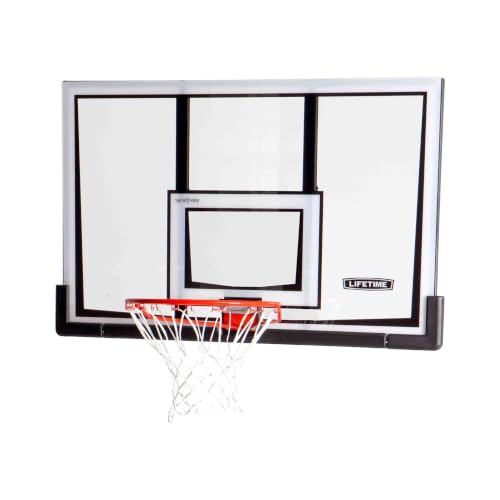
Lifetime Shatter Proof Backboard and Rim Combo Kit, 52-Inch | Use a mounting bracket (sold seperately) to mount to a wall, roof, or pole
For a broader look at mounting approaches before you settle on a kit, see Mounting a Basketball Backboard: 5 Best Mounting Kits Compared (2026) and Basketball Backboard Mounting Kit: Step-by-Step Install Guide (2026).
FAQ
Can I mount this kit to vinyl siding?
Generally no. Vinyl siding has little structural strength, and fasteners driven into it will not hold a loaded backboard. Mount through framing or a solid backing material instead, and consult a contractor if you are unsure what is behind your wall.
Is a shatter-proof backboard safe for regular play?
Shatter-resistant boards are designed to withstand ordinary impacts better than glass. They can still crack under extreme force or misuse, so inspect the board periodically and replace it if you see damage.
Do I need a helper to install a mounted backboard?
Most owners find a second person helpful for lifting and aligning the board. Working at height also calls for stable ladders and care; a professional installer is a sensible option if you have any doubts.
How often should I check the mounting bolts?
A common recommendation is to re-tighten after the first few weeks of use, then inspect every few months and after severe weather. Loose fasteners are one of the most frequently reported issues with fixed hoops.
Can I move a mounted hoop to a different spot later?
Relocating a wall or pole-mounted system means removing it and fastening it again somewhere else, which can damage the original surface. If you expect to move the hoop, a portable or ground-anchor system is a better fit.
Does this kit include everything needed for installation?
The listing describes the mounting kit as included, but you should confirm the full hardware list against the packing sheet. Fasteners for your specific surface may need to be purchased separately.
Do I need to hire a professional to install it?
Many homeowners install these kits themselves. However, drilling into a roof, a load-bearing wall, or a structure you are unsure about carries real risk of injury and property damage. If you are not confident, consult a qualified professional before starting.
Final Verdict
Is the lifetime 9594 basketball backboard mounting kit worth it?
For the right site, yes. The combo offers a shatter-resistant 48-inch board, a rim, and mounting hardware in one order, and a fixed installation generally feels steadier in play than a loosely weighted base. The trade-offs are real: you need a suitable structure, the installation takes care, and the hoop is not meant to be moved around. If your garage or exterior wall can take proper fasteners and you want a permanent hoop, this is a sensible option to evaluate. If you rent, have fragile siding, or need portability, look at the alternatives above first.
Check the current listing and included hardware before you buy: View on Amazon
Before you buy: helpful guides
About Emily Parker
Emily Parker is part of our editorial team and reviews and edits our basketball skills & drills guides, checking product details against manufacturer specifications and owner feedback.
About the author
Emily Parker writes reviews and buying guides for Pressure Basketball.