6 Best Basketball Training Systems Franchise Picks for 2026
Compare 6 basketball training systems franchise options by skill focus, learning style and coaching fit. Find the right pick for your program in minutes.
 By Emily Parker
Updated November 24, 2026
 By Emily Parker
Updated November 2026
Choosing a basketball training systems franchise is less about finding the flashiest brand and more about matching a program to who will actually use it: the coach running practice, the player working on a jump shot after school, or the parent trying to understand what a good training plan looks like. This list compares six resources in that space. Each was judged on how clearly it explains the game, how practical its drills and plans are, how well it fits its intended reader, and what owners and buyers commonly report about usefulness.
Our top picks at a glance
- 1TOP CHOICEBest overallBasketball Skills & DrillsView on Amazon
- 2
 TOP CHOICEBest for systems-based offenseBasketball Systems and StrategiesView on Amazon
- 3
 TOP CHOICEBest for front-office and business studyBasketball Intelligence: Finance, Risk, AI and Data Analytics for ProfView on Amazon
- 4
 Best for parents and new coachesBasketball for Beginners: The Complete Guide for Parents and CoachesView on Amazon
- 5
 Best for sports-talk fansFranchise Sports Talk BasketballView on Amazon
- 6
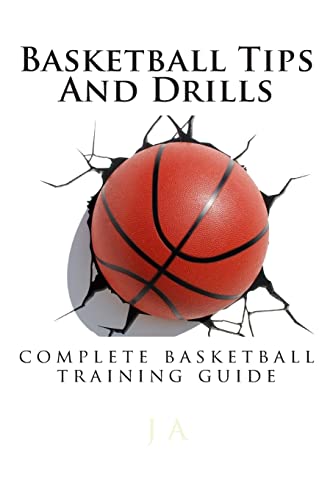 Best budget pickBasketball Tips And Drills: complete basketball training guideView on Amazon
Our Top Picks
Quick Comparison
| Product | Best for | Key feature |
|---|---|---|
| Basketball Skills & Drills | Coaches building a full skill curriculum | Drill-focused skill progression |
| Basketball Systems and Strategies | Coaches teaching offensive and defensive structure | Collection of plays and set systems |
| Basketball Intelligence | Readers interested in the business side of pro franchises | Finance, risk and analytics coverage |
| Basketball for Beginners | Parents and first-time coaches | Plain-language foundations guide |
| Franchise Sports Talk Basketball | Fans who want franchise-level discussion | Conversational take on team building |
| Basketball Tips And Drills | Players who want a practical, low-commitment start | Broad set of tips and drills in one volume |
Basketball Skills & Drills
Basketball Skills & Drills
Best for: Coaches building a full skill curriculum
This suits coaches who want to organize practice around fundamentals and progress players through skills in a deliberate order. It works well for varsity staffs and club coaches who need drills they can adapt to different age groups.
Key specs
- Drill-based format organized by skill area
- Designed for coach-led sessions
Pros
- Clear drill organization that is easy to scan before practice
- Covers core skills rather than one narrow area
- Useful for planning progressions across a season
Cons
- Less useful for readers looking for tactical or business content
- Drills may need adjustment for very young or very advanced players
Bottom line: A strong first choice for coaches who want a practical drill library they can build a season around.
View on AmazonBasketball Systems and Strategies
Basketball Systems and Strategies: A basketball plays collection (Practice to beat the best)
Best for: Coaches teaching offensive and defensive structure
This is aimed at coaches who already have the fundamentals in place and want to organize team play. It fits staffs who run set offenses, want a playbook reference, or are looking for ideas to counter specific defenses.
Key specs
- Focused on plays and team systems
- Collection-style format for quick reference
Pros
- Gives coaches a concrete set of plays to build from
- Helpful for teaching spacing and movement concepts
- Good companion to a drill-focused book
Cons
- Assumes some prior knowledge of the game
- Limited value for individual skill development on its own
Bottom line: The right pick for coaches who think in terms of systems and want a playbook-style resource.
View on AmazonBasketball Intelligence: Finance, Risk, AI and Data Analytics for Professional Sports Franchises
Basketball Intelligence: Finance, Risk, AI and Data Analytics for Professional Sports Franchises
Best for: Readers interested in the business side of pro franchises
This title fits people studying sports management, front-office roles, or the financial and analytical side of running a professional team. It is a poor match for anyone looking for on-court training content.
Key specs
- Subject areas named in the title: finance, risk, AI and data analytics
- Focused on professional sports franchise operations
Pros
- Covers business topics that most basketball books skip
- Relevant to students and aspiring front-office staff
- Useful context for understanding how teams make decisions
Cons
- No direct value for players or coaches working on skills
- Technical sections may require a background in finance or statistics
Bottom line: Pick this only if your interest is in running a franchise, not coaching or playing.
View on AmazonBasketball for Beginners: The Complete Guide for Parents and Coaches
Basketball for Beginners: The Complete Guide for Parents and Coaches
Best for: Parents and first-time coaches
This is written for people new to the sport who need to understand rules, basic skills and how to support young players. It suits a parent who has just signed a child up for a rec league or a volunteer assistant coach.
Key specs
- Written for beginners and non-specialists
- Covers parent and coach perspectives
Pros
- Accessible language with little assumed knowledge
- Helpful framing for supporting kids without pressure
- Good starting point before moving to advanced drill books
Cons
- Too introductory for experienced coaches
- Fewer advanced drills and tactical detail
Bottom line: The most approachable pick here for anyone new to coaching or to watching a child play basketball.
View on AmazonFranchise Sports Talk Basketball
Franchise Sports Talk Basketball
Best for: Fans who want franchise-level discussion
This fits readers who enjoy discussing team building, roster decisions and franchise identity more than drills. It is closer to commentary than instruction.
Key specs
- Discussion and commentary style
- Centered on franchise topics rather than training methods
Pros
- Engaging read for basketball fans
- Offers perspective on how franchises are built and perceived
- Easy to read in short sessions
Cons
- Provides little practical training value
- Opinion-driven content may not suit readers wanting evidence-based guidance
Bottom line: A good pick for fans, but not for anyone who needs to improve a player or run a practice.
View on AmazonBasketball Tips And Drills: complete basketball training guide
Basketball Tips And Drills: complete basketball training guide
Best for: Players who want a practical, low-commitment start
This suits individual players and parents who want a broad set of tips and drills they can do at home or at the gym. It is a reasonable first purchase for someone who is not yet sure how much structure they need.
Key specs
- Tips and drills in one guide
- Aimed at general training use
Pros
- Broad coverage across shooting, dribbling and conditioning
- Easy to use without a coach present
- Practical format for short solo sessions
Cons
- Less depth than dedicated coaching manuals
- Does not replace feedback from a qualified coach
Bottom line: A sensible, practical option for players and parents who want general guidance without committing to a larger program.
View on AmazonBuying Guide
Match the Resource to Your Role
A player, a coach, a parent and a front-office student need very different material. Start by naming who will use the resource most often. A coach running three practices a week needs drills with clear setup. A parent needs plain explanations. A student of sports management needs business analysis. Choosing by role prevents buying content you will never open.
Good picks for this: Basketball Skills & Drills, Basketball for Beginners
Check the Skill Focus
Look at what the book or guide actually covers: shooting mechanics, ball handling progressions, defensive footwork, team offense or game management. Read the table of contents before buying. A guide heavy on tactics will not improve a player’s first step, and a drill book will not explain a pick-and-roll read.
Good picks for this: Basketball Systems and Strategies, Basketball Tips And Drills
Assess Level of Detail
Beginner material assumes nothing. Intermediate and advanced material assumes you already understand spacing, rules and basic technique. Mismatched depth is the most common reason people abandon a training resource. If you already coach, skip introductory guides; if you are new, skip playbooks until you have the fundamentals.
Good picks for this: Basketball for Beginners, Basketball Skills & Drills
Consider Age and Skill Range
Drills for eight-year-olds look different from drills for high school guards. Check whether the content mentions age groups, progressions or adaptations. Many coaches adapt material themselves, so look for drills that are easy to scale up or down by changing distance, speed or number of defenders.
Good picks for this: Basketball Skills & Drills, Basketball Tips And Drills
Look at Format and Usability
Some readers want a bound reference they can flip through courtside. Others prefer a structured plan. Consider how you will actually use the resource: at practice, at home, or during planning sessions. A format you can scan quickly is worth more than one with more pages you never reach.
Good picks for this: Basketball Systems and Strategies, Basketball Tips And Drills
Think About Purpose Beyond the Court
If your interest is in how teams are run, including finance, risk and data, look for content that addresses organizational decisions rather than on-court play. Be clear about whether you want to train, coach, manage or simply read about the game.
Good picks for this: Basketball Intelligence: Finance, Risk, AI and Data Analytics for Professional Sports Franchises, Franchise Sports Talk Basketball
Plan to Pair Resources
No single book covers everything. Many coaches combine a drill library with a systems resource, and players often pair a tips guide with structured video or coaching. Treat each purchase as one piece of a broader plan rather than a complete solution.
Good picks for this: Basketball Skills & Drills, Basketball Systems and Strategies
FAQ
What is a basketball training systems franchise?
In this context, it refers to structured basketball training resources that can be used to organize instruction, drills and team systems. The term covers books and guides that help coaches and players build a consistent approach to skill development and game strategy.
Which option is best for a beginner coach?
Basketball for Beginners is the most accessible starting point because it assumes little prior knowledge. Once the fundamentals are clear, a drill-focused book is a logical next step.
Do I need more than one resource?
Most people do better with two. A drill library covers individual skill work, while a systems or strategy resource helps with team play. Choose based on whether your immediate need is skill development or tactical organization.
Are these resources a substitute for a qualified coach?
No. Written material can teach technique and structure, but it cannot observe a player’s mechanics or adjust drills in real time. Feedback from an experienced coach remains important, especially for young players developing shooting or defensive form.
Which resource suits parents?
Basketball for Beginners is the most suitable, since it explains the game in plain language and covers how to support young players without putting excessive pressure on them.
Is a business-focused book useful for players?
Generally not. Titles centered on franchise finance, risk and analytics are valuable for people studying or working in sports management. Players and coaches will get more from skill and systems material.
How should I measure whether a resource is working?
Set a specific goal, such as improving free-throw consistency or a weak-hand layup, and track it over four to six weeks. If the drills or systems do not produce measurable change, adjust the plan or consult a coach for individual feedback.
Conclusion
For most coaches, Basketball Skills & Drills is the strongest starting point because it organizes practice around core skills. Coaches who already have that foundation will find Basketball Systems and Strategies useful for team structure. Parents and first-time coaches should begin with Basketball for Beginners, while Basketball Tips And Drills offers a practical, low-commitment option for individual players. Readers interested in the business or fan side of the sport will find Basketball Intelligence and Franchise Sports Talk Basketball more relevant, though neither will improve on-court performance. Matching the resource to your role is the most reliable way to get value from it.
Sources
- Guidance on physical activity levels and safe exercise for children and teens, useful when planning youth conditioning (cdc.gov)
- Safety information on sports equipment and playing surfaces, relevant to setting up a safe training space (cpsc.gov)
- Research summaries on motor skill learning and practice structure that can inform drill design (nih.gov)
Before you buy: helpful guides
Related reading
- Youth Basketball Training Videos: 6 Steps to Pick and Use Them Well
- Youth Basketball Training Camps: How to Choose the Right One (2026)
- Youth Basketball Training Aids: 7 Tools That Build Skills (2026)
About Emily Parker
Emily Parker is part of our editorial team and reviews and edits our basketball skills & drills guides, checking product details against manufacturer specifications and owner feedback.
About the author
Emily Parker writes reviews and buying guides for Pressure Basketball.