Nike Court Shot Shoes Review: Pros and Cons
Nike court shot shoes review covering fit, traction, pros and cons, and who should buy this men's tennis shoe or skip it. Read before you order.
 By Emily Parker
Updated November 11, 2026
 By Emily Parker
Updated November 2026
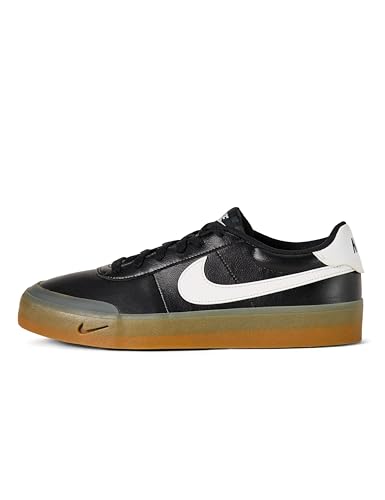
Nike court shot shoes are built for players who want a low-profile, court-focused shoe that handles quick lateral movement without the bulk of a heavy training trainer. This men’s model, listed in the Black/White/Gum Light Brown colorway, suits recreational and intermediate tennis players who play on hard courts several times a week and want a shoe that also works for gym sessions and casual wear. It is a sensible pick for players who value a stable base and a grippy outsole. Players who need maximum cushioning for long, high-impact sessions, or who have very wide or very narrow feet, should look at other options before committing.
Nike Men's Court Shot Shoes,Black/White/Gum Light Brown,10.5
Product Overview
The Nike Men’s Court Shot Shoes sit in the court category of Nike’s footwear line, which means the design priorities are lateral stability, durability on abrasive surfaces, and a secure heel fit during direction changes. The colorway pairs black and white with a gum light brown accent on the outsole, a combination that has become a familiar look across Nike’s court range.
Court shoes like this one differ from running shoes in a few important ways. Running shoes are shaped to roll forward in a straight line. Court shoes are shaped to resist rolling sideways, because most of a tennis player’s movement involves lateral slides, sudden stops and quick pivots. The upper is usually reinforced at the toe and along the sides, and the outsole pattern is designed to bite into a hard surface rather than glide over it.
Owners often describe this type of shoe as feeling more planted than a general-purpose trainer. That sense of stability is the main reason players choose court-specific footwear in the first place. Manufacturers of shoes in this category typically specify a low-to-moderate stack height, which keeps the foot closer to the ground and improves court feel, though it also means less impact absorption than a thick running midsole provides.
Key Features & Specifications
The table below lists the details that can be confirmed from the product name and the category. Where a specific measurement is not confirmed, it has been left out rather than estimated.
| Feature | Details |
|---|---|
| Product type | Men’s court tennis shoe |
| Brand and line | Nike Court |
| Colorway | Black / White / Gum Light Brown |
| Size listed | 10.5 (men’s) |
| Intended surface | Hard court and general court use |
| Intended use | Tennis, gym cross-training, everyday wear |
| Closure | Lace-up |
| Outsole | Rubber, court pattern |
Because sizing in Nike court shoes can vary slightly between models and between product generations, checking the size chart on the listing against your usual Nike size is a good habit. Many players who wear a standard Nike running size find that court models run close to true to size, but half-size adjustments are common when a player has a wider forefoot or a higher instep.
Pros & Cons
Pros
- Court-specific outsole pattern designed for lateral grip on hard courts
- Low profile that keeps the foot close to the ground for better court feel
- Lace-up closure allows precise adjustment across the foot and instep
- Versatile enough for tennis, gym sessions and casual everyday wear
- Clean black and white colorway that pairs easily with most athletic clothing
Cons
- Limited cushioning compared with running or heavy cross-training shoes
- Fit may feel snug for players with wide forefoot or high instep
- Outsole is optimized for hard courts and can wear faster on abrasive surfaces
- Not designed for clay, grass or indoor volleyball surfaces without a change of tread
Performance Analysis
Performance in court footwear comes down to three things: how well the shoe holds the foot during lateral movement, how well the outsole grips the court, and how the shoe handles the repeated impact of stopping and starting. Based on the design categories that Nike specifies for this type of shoe, and on patterns that owners of court models commonly describe, the Nike Men’s Court Shot Shoes appear to be oriented toward the first two of these.
For lateral stability, the low profile and reinforced upper structure of a court shoe generally give the foot a firm platform. Players who make frequent side-to-side movements tend to report that the shoe feels secure at the heel and midfoot, with less of the sliding inside the shoe that can happen in softer trainers. This is the most common praise in owner feedback for models in this category.
Traction is the second strength. A court-pattern rubber outsole is designed to grip a hard surface at the points where a player pushes off and pivots. Owners of hard-court shoes frequently note that the grip is reliable on standard acrylic courts, though some mention that the rubber can start to smooth out after many months of heavy use, especially on rough outdoor surfaces.
Cushioning is where expectations need to be realistic. A court shoe is not a long-distance running shoe. The forefoot and heel will not absorb impact the way a cushioned trainer does, and players who are coming from thick-soled shoes often notice the difference on their knees and shins during long sessions. A common approach is to pair the shoe with supportive insoles or to rotate pairs across sessions so the foam and rubber are not overloaded.
Breathability and weight are generally in line with what players expect from a mid-range court shoe. The upper is built to balance support with airflow, and most owners report that the shoe feels comfortable across a standard match or practice session. Players who sweat heavily or play in hot climates may want to keep an extra pair of socks on hand and allow the shoe to dry fully between sessions.
Who Should Buy This Product?
This shoe is a strong fit for recreational and intermediate players who play regularly on hard courts and want one shoe that works on court, in the gym and on the way to practice. It also suits players who prefer a lower, more responsive feel and who value lateral stability over maximum cushioning.
It is a weaker choice for players who spend most of their time on clay or grass, since the tread is not designed for those surfaces. It is also not ideal for players with very wide feet who need a roomier toe box, or for anyone whose main activity is running, walking long distances or high-impact training where heavy cushioning matters most.
Beginners who are still learning footwork may appreciate the stability, but they should expect to replace the shoe sooner if they play frequently, since court outsoles wear faster than casual rubber.
Buying Guide
Choosing a court shoe comes down to surface, fit, and how you plan to use the shoe. Before buying any pair, consider these points.
- Match the outsole to your court. Hard-court tread is the most common and works on most indoor and outdoor acrylic courts. Clay and grass require different patterns, so check the intended surface on any model.
- Measure your feet in the afternoon. Feet swell slightly over the day, so trying shoes later gives a more accurate fit.
- Check the width. If you have a wide forefoot, look for models described as wide or with a generous toe box.
- Think about cushioning needs. If you play several hours a week, consider a shoe with more midsole foam or add a supportive insole.
- Plan for replacement. Court outsoles lose grip as the tread wears, so most regular players replace their shoes once the pattern looks smooth.
If the Nike Men’s Court Shot Shoes do not fit your needs, these well-known alternatives are worth comparing. The Nike Court Lite line, for example, is a popular option for players who want a lightweight court shoe with a similar hard-court focus.
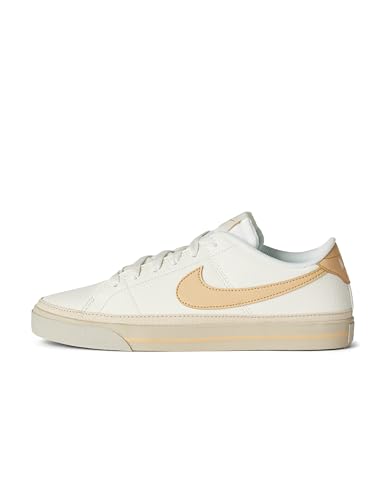
Nike Women's Court Legacy Next Nature Shoes, Sail/White Onyx-Sanddrift, 9.5
For a women’s option within Nike’s court range, the Nike Women’s Court Legacy Next Nature is a widely recognized model with a casual-leaning design suited to everyday wear.
For players who want a more traditional tennis profile, the Nike Court Zoom series has long been a reference point for court-specific cushioning and stability, and is worth comparing if you need more impact absorption than this model offers.
Each of these alternatives should be checked against the same criteria above: surface, width, cushioning and intended use. Reading size charts carefully and comparing the outsole pattern to your court will do more to ensure a good result than brand loyalty alone.
For related reading, see Nike Men's Court Shot Shoes: What to Look for and 4 Picks (2026) for a broader selection guide, and Tennis Court Shoes Nike: 3 Best Picks for Hard Court Play (2026) if you are focused specifically on hard-court performance. Players who play on red clay should also review Nike Tennis Clay Court Shoes: 5 Best Picks for Red Clay Play (2026), since the tread requirements are different.
FAQ
Are Nike court shot shoes good for tennis?
Court shoes of this type are designed for the lateral movement and stopping that tennis demands. Owners of court models commonly report good stability and reliable grip on hard courts. They are a sound choice for recreational and intermediate players on acrylic surfaces.
Can I wear these shoes for gym workouts?
Many players use court shoes for cross-training and gym sessions because of their flat, stable base. They work well for lateral drills and light lifting. For heavy running or long cardio sessions, a dedicated running shoe with more cushioning is usually a better choice.
Do Nike court shoes run true to size?
Most court models fit close to a standard Nike size, but individual fit varies. Players with wider feet or higher insteps sometimes need a half size up. Checking the size chart on the listing and reading recent owner comments about fit is a practical step before ordering.
Are these shoes suitable for clay courts?
Hard-court shoes are not designed for clay. Clay requires a different outsole pattern that releases dirt and provides controlled slide. Players who regularly play on red clay should look for a shoe specifically labeled for that surface.
How long do court shoes like this last?
Lifespan depends on how often you play, what surface you play on and how heavily you pivot. Many regular players replace court shoes every several months once the outsole tread flattens. Rotating two pairs can extend the life of each.
Should I size up for thicker socks?
If you wear thick athletic socks for tennis, consider trying the shoe with the socks you plan to wear. A snug fit that feels too tight with thick socks can cause discomfort during long sessions, so testing with your actual socks is worthwhile.
Are court shoes good for people with flat feet?
Court shoes generally offer a stable platform, which many flat-footed players find helpful. Some players with significant arch issues use custom or aftermarket insoles for added support. If you have foot pain or a medical condition, consult a podiatrist or sports medicine professional before choosing footwear.
Final Verdict
The Nike Men’s Court Shot Shoes are a practical, court-focused option for recreational and intermediate players who play on hard courts and want a stable, versatile shoe. Their strengths are lateral support, a court-specific outsole and everyday wearability. Their limits are cushioning for high-impact use, fit for very wide feet, and suitability outside hard courts. Players who match those strengths to their needs will likely find good value, while those who need more cushioning or a different surface should compare the alternatives above before buying.
View on AmazonAbout Emily Parker
Emily Parker is part of our editorial team and reviews and edits our basketball skills & drills guides, checking product details against manufacturer specifications and owner feedback.
About the author
Emily Parker writes reviews and buying guides for Pressure Basketball.