Adjustable Basketball Backboard and Rim (2026): Pros, Cons & Verdict
Reviewing the Silverback In-Ground adjustable basketball backboard and rim: key specs, pros and cons, performance patterns and who should buy it.
 By Emily Parker
Updated November 24, 2026
 By Emily Parker
Updated November 2026
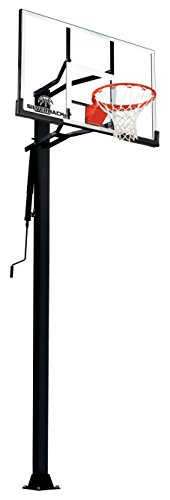
This review looks at the Silverback In-Ground Basketball Hoop, an adjustable basketball backboard and rim system designed for a permanent in-ground installation with a tempered glass backboard and a pro-style flex rim. It suits families and home court owners who want a fixed, sturdy hoop with height adjustment for players of different ages and who have a suitable concrete footing to pour. It is less suited to renters, anyone who needs to move the hoop often, or buyers who want a true portable setup. Because the product is installed in the ground, it requires digging, a sleeve and concrete, so plan for that work before you order. Read on for specs, owner feedback patterns and a buying checklist.
Silverback In-Ground Basketball Hoops, Adjustable Height Tempered Glass Backboard and Pro-Style Flex Rim. – Multiple Styles Available
Product Overview
The Silverback In-Ground Basketball Hoop is built around an in-ground support post that sits in a sleeve set in concrete. Rather than clamping to a pole or mounting on a wall, the whole system anchors below grade, which is the main reason it feels more stable than a portable unit when players dunk or hang on the rim. The listing describes an adjustable height mechanism, a tempered glass backboard and a pro-style flex rim. Multiple styles are offered, so the exact configuration you receive may vary by option selected at checkout.
In-ground hoops are generally aimed at buyers who want a permanent fixture. Installation is the defining trait of this category: you dig a hole to the depth the manufacturer specifies, set the sleeve, pour concrete and allow it to cure before the hoop is used. That process takes planning, tools and a few days of waiting, but once it is finished, the system does not wobble or need to be repositioned.
Key Features & Specifications
The table below lists the features that the product name and the category make clear. Confirm exact dimensions, weights and footing requirements against the manufacturer’s installation instructions and the listing before you buy, since configurations can differ between style options.
| Feature | What it means for you |
|---|---|
| Installation type | In-ground sleeve set in concrete; permanent fixture |
| Height adjustment | Adjustable height so the rim can be set for different players |
| Backboard | Tempered glass; more rigid and consistent in bounce than many plastic options |
| Rim | Pro-style flex rim, designed to absorb some impact energy on dunks |
| Style options | Multiple styles offered; check the selected variant before purchase |
| Intended use | Driveway, backyard or home court with a prepared footing |
Manufacturers of tempered glass backboards commonly note that the glass is heat-treated to break into small, blunt pieces rather than sharp shards, which is one reason it is widely used for residential hoops. A flex rim, by contrast, is designed to bend slightly under a hard dunk and return to shape, reducing stress on the backboard and mounting hardware. Check the specific height range and footing depth in the product documentation, because those figures determine how much digging and concrete you need.
Pros & Cons
Pros
- In-ground installation generally offers more stability than portable or clamp-on systems.
- Adjustable height lets a family share one hoop across several age groups.
- Tempered glass backboards are commonly chosen for a consistent, true bounce.
- Pro-style flex rim is designed to reduce harsh rebound and stress on the frame.
- Multiple style options give buyers some flexibility in appearance and configuration.
- Once set, there is no need to move the unit or re-level it.
Cons
- Permanent installation means digging, concrete and curing time before first use.
- Not suitable for renters, or for anyone who may move in the near future.
- Removing or relocating the hoop later is labor-intensive.
- Tempered glass can still crack from a hard, direct impact, so it needs care.
- Installation quality strongly affects performance; a poorly set post will show it.
Performance Analysis
Performance in an in-ground system depends on three things: how the post was set, how the backboard and rim are aligned, and how the buyer uses the hoop. Owners of in-ground systems in general often report that a correctly installed post feels solid even under aggressive dunks, while a post set with too little concrete or shallow depth can develop movement over time. Because this product is designed to be permanent, the installation is where most of the performance is decided.
Tempered glass backboards are often praised for their rebound consistency. A flat, rigid surface returns the ball predictably, which helps shooters build repeatable touch. The flex rim is intended to give under heavy force, and owners of flex-style rims commonly describe a more forgiving feel on dunks than with a fixed steel rim. That said, the rim does not eliminate the need for a level, well-aligned backboard, and rim height should be measured with a tape after installation.
Height adjustment is useful in practice. Players moving from youth to adult heights can keep using the same hoop, and parents often report that adjusting between sessions is manageable once the mechanism is understood. Be sure to lubricate moving parts as the manufacturer advises and check the locking points periodically, since adjustable hardware is the part most likely to need attention over the years.
Weather exposure is a long-term consideration. In-ground hoops live outdoors, so periodic checks for rust, loose bolts and sealant condition are part of ownership. A cover or a basic seasonal inspection can extend the life of the finish and hardware.
Who Should Buy This Product?
This hoop makes sense for homeowners who plan to stay put and who want a stable, long-term setup. Families with children of different ages benefit most from the height range, and players who want a rim that feels closer to a pro setup will appreciate the flex rim and rigid backboard. It is also a reasonable choice for a driveway or backyard court where the hoop will not be moved.
You should skip this product if you rent, expect to move within a few years, or need a hoop you can relocate easily. Buyers who do not want to dig, pour concrete or wait for curing time will be better served by a portable or post-mounted system. Anyone unsure about excavation on their property should check for underground utilities before digging and consult a licensed professional for guidance on footings, since improper installation can be unsafe.
Buying Guide
Before you buy any adjustable basketball backboard and rim, think through the following points. They matter more than marketing language when it comes to how a hoop will perform and last.
- Confirm installation requirements. Read the footing depth, sleeve dimensions and concrete volume the manufacturer specifies. Plan the hole size and make sure your tools and helpers are available.
- Check the site. Look for underground lines, slope and drainage. A level, well-drained spot keeps the post from shifting.
- Check the height range. Match the adjustment range to the youngest and oldest players who will use the hoop.
- Compare backboard material. Tempered glass offers a rigid, consistent surface; polycarbonate options are lighter and more impact-resistant in some cases but may feel different on rebounds.
- Look at the rim type. Flex rims give under dunks, while fixed rims are rigid. Choose based on how the hoop will be used.
- Verify the style variant. Confirm which configuration you are buying, since multiple styles are offered.
If you want to compare alternatives, two related in-ground options from the same brand family are worth a look. The first is a height-adjustable in-ground system with a 50-inch shatterproof polycarbonate backboard and solid steel rim, which may suit buyers who prefer a lighter backboard material:

Yohood In Ground Basketball Hoop Outdoor 10FT Adjustable Height with Crank | In-Gound Basketball Goal System with 50 Inch Shatterproof PC Backborad and Solid Steel Rim
The second is an adjustable in-ground hoop with a 54-inch tempered glass backboard and pro-style breakaway rim, which is closer in concept to this review’s product but uses a breakaway rather than a flex rim. A breakaway rim is designed to snap down under extreme force to protect the hardware, so it is worth comparing rim behavior before choosing:
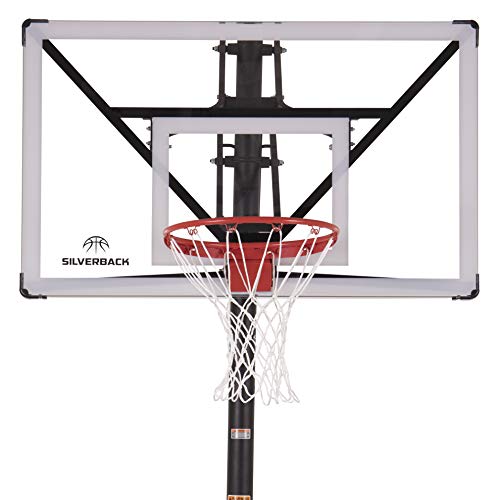
Silverback NXT54 54" Height Adjustable In-Ground Basketball Hoop | with Tempered Glass Backboard, Pro-Style Breakaway Rim, Pole and Backboard Pad
For additional reading on setup and selection, see Heavy Duty Basketball Backboard and Rim: A Step-by-Step Buying and Setup Guide and Basketball Hoop Backboard and Rim: How to Choose, Check and Maintain Yours. If you are also weighing portable options, 5 Best Portable Basketball Rim and Backboard Options for Home Courts (2026) covers a different category entirely.
FAQ
Do I need to pour concrete for an in-ground basketball hoop?
Yes. In-ground systems are normally set in concrete to hold the post firmly. Check the manufacturer’s footing and sleeve instructions for the exact depth and volume, and allow the concrete to cure fully before using the hoop.
Can I install this hoop myself?
Many homeowners do, but the job involves digging, leveling and handling heavy concrete and post components. Having at least one helper is advisable. If you are unsure about digging on your property, consult a licensed contractor.
How high can the rim be adjusted?
Adjustment range depends on the specific model and style option. Confirm the minimum and maximum height in the product documentation before purchase, and measure to the top of the rim after installation.
Is tempered glass safe to use on a backyard hoop?
Tempered glass is designed to break into small, less sharp pieces rather than long shards. It can still crack from a direct hard impact, so inspect the backboard regularly and avoid hanging on the rim in ways the manufacturer warns against.
What is a flex rim and why does it matter?
A flex rim is designed to bend under heavy force, such as a hard dunk, and return to shape. This can reduce stress on the backboard and frame. It differs from a breakaway rim, which is designed to swing down to protect the hardware under extreme loads.
How do I maintain an in-ground hoop?
Inspect bolts, adjustment locks and welds periodically, lubricate moving parts as directed, check the finish for rust and keep the area around the post drained. Seasonal checks help extend the life of the hardware.
Can an in-ground hoop be moved later?
It can be removed, but doing so means digging out the concrete and sleeve, which is labor-intensive. Buyers who expect to relocate should consider a portable or post-mounted option instead.
Final Verdict
The Silverback In-Ground Basketball Hoop is a sound choice for homeowners who want a permanent, stable adjustable basketball backboard and rim with a tempered glass backboard and pro-style flex rim. Its strengths are stability, height adjustment and a rim designed to handle hard play, and its main trade-off is the installation work. If you have a suitable spot, the time to set the post is well spent. If you rent or may move soon, look at portable alternatives instead.
View on AmazonBefore you buy: helpful guides
Related reading
About Emily Parker
Emily Parker is part of our editorial team and reviews and edits our basketball skills & drills guides, checking product details against manufacturer specifications and owner feedback.
About the author
Emily Parker writes reviews and buying guides for Pressure Basketball.