Basketball Training Plan PDF: 7 Best Picks Compared (2026)
Looking for a basketball training plan PDF you can print and follow? Compare 7 practice planners, drill books and training journals by fit, features and owner f
 By Emily Parker
Updated November 24, 2026
 By Emily Parker
Updated November 2026
A basketball training plan PDF is only as useful as the structure behind it: clear weekly blocks, drill sets with reps and rest, and space to log what you actually did. Many players and coaches look for a printable version, but a good paper or digital companion can do the same job. This list focuses on the physical tools that help you plan, run and review sessions. We weighed each option by how well it organizes practice time, how complete its drill content appears, how much room it leaves for tracking, and what owners commonly report about layout and durability. We did not test these products ourselves; the picks reflect listing details, publisher descriptions and common owner feedback patterns.
Our top picks at a glance
- 1TOP CHOICEBest overallBasketball Practice Plan Sheets: Basketball Training Planner NotebookView on Amazon
- 2
 TOP CHOICEBest for drill contentBasketball Skills & DrillsView on Amazon
- 3
 TOP CHOICEBest for coaches who diagram playsBasketball Coach Playbook Notebook for Coaches & PlayersView on Amazon
- 4
 Best for a full performance programBasketball Complete Training & Performance ProgramView on Amazon
- 5
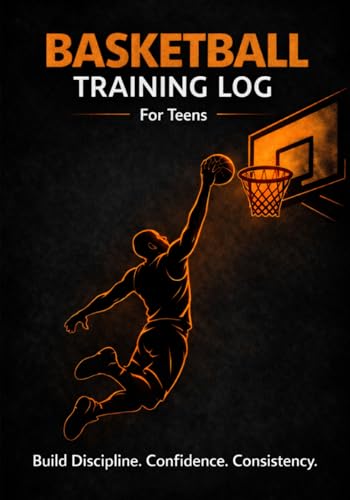 Best for teen athletesBasketball Training Log for TeensView on Amazon
- 6
 Best for goal trackingBasketball Training JournalView on Amazon
- 7
 Best for daily practice planningBasketball Practice Planner NotebookView on Amazon
Our Top Picks
Quick Comparison
| Product | Best for | Key feature |
|---|---|---|
| Basketball Practice Plan Sheets | Organizing a full season of practices | Pre-formatted practice plan pages |
| Basketball Skills & Drills | Finding new drills to build a plan | Drill library organized by skill |
| Basketball Coach Playbook Notebook | Diagramming plays and tactics | Court layouts for sketching sets |
| Basketball Complete Training & Performance Program | A structured long-term program | Multi-phase training progression |
| Basketball Training Log for Teens | Young players tracking workouts | Daily workout and game log pages |
| Basketball Training Journal | Habit tracking and skill goals | Goal setting and habit trackers |
| Basketball Practice Planner Notebook | Scheduling and reviewing sessions | Daily plan, execute and reflect layout |
Basketball Practice Plan Sheets: Basketball Training Planner Notebook
Basketball Practice Plan Sheets: Basketball Training Planner Notebook | Basketball Practice Plan Sheet Book
Best for: Organizing a full season of practices
This planner suits coaches and players who want a printed template for each session rather than building one from scratch. It is a strong starting point if your current plan lives in scattered notes or a phone app.
Key specs
- Format: practice plan sheets in notebook form
- Designed for recurring basketball practice planning
Pros
- Pre-structured pages make it quick to write each session
- Easy to reuse the same layout across a season
- Keeps all practice plans in one place
Cons
- Less room for long-form notes than a full journal
- Does not include a drill library
Bottom line: A good choice for coaches who want a repeatable practice template. Pair it with a drill book for the best results.
View on AmazonBasketball Skills & Drills
Basketball Skills & Drills
Best for: Finding new drills to build a plan
Players and coaches who already know how they want to train, but need a wider set of drills, will find this book useful. It fills the content gap that planners leave open.
Key specs
- Format: drill-focused skills book
- Covers core basketball skill categories
Pros
- Large drill selection to draw from
- Useful for building progressions week to week
- Works alongside any planner or PDF template
Cons
- Not a planner, so you must schedule drills yourself
- Print-style layout means no digital tracking
Bottom line: The best pick for players who need drills, not just a schedule. Ideal as a companion to a planner.
View on AmazonBasketball Coach Playbook Notebook for Coaches & Players
Basketball Coach Playbook Notebook for Coaches & Players 7 x 10 Inch Basketball Strategy Training Notepad Coaching Board Coaching Notebook for Tactics Tactical Practice Planner Coaches and Players Gif
Best for: Diagramming plays and tactics
Coaches who think in sets and spacing will get more from this notebook than from a basic planner. It is built around sketching offense, defense and in-game adjustments.
Key specs
- Size: 7 x 10 inches
- Court-style pages for diagramming tactics
Pros
- Compact enough to carry to practice and games
- Good for teaching plays to players visually
- Doubles as a coaching notes log
Cons
- Focused on tactics rather than physical training load
- Not a full weekly training plan
Bottom line: Best for coaches whose plan centers on plays and strategy. Less suited to conditioning-focused programs.
View on AmazonBasketball Complete Training & Performance Program
Basketball Complete Training & Performance Program: Train Smarter. Play Harder. Perform at Your Best. (The Ultimate Sports Performance Training Series)
Best for: A structured long-term program
Players who want a complete progression rather than separate workouts will find this program the most ambitious option here. It is designed as a sequence to follow over time.
Key specs
- Format: performance training program
- Part of a sports performance training series
Pros
- Offers a progression that goes beyond single sessions
- Covers training beyond skills alone
- Gives a clear overall framework
Cons
- Can feel dense for beginners
- You still need a log to track your own numbers
Bottom line: The right choice for committed players who want a full program to follow across a season or year.
View on AmazonBasketball Training Log for Teens
Basketball Training Log for Teens: Daily Workout Planner, Game Performance Tracker & Goal Setting Journal for Young Athletes
Best for: Teen athletes tracking workouts
Younger players often need a simple log that keeps them accountable without feeling like homework. This journal is aimed at that age group, with space for daily workouts and game results.
Key specs
- Includes daily workout planner pages
- Game performance tracker and goal setting sections
Pros
- Friendly layout for young athletes
- Connects training to game performance
- Goal setting builds habits early
Cons
- Not a drill or program book
- Limited space for detailed coaching notes
Bottom line: Best for teens and parents who want a tracking habit more than a full training manual.
View on AmazonBasketball Training Journal
Basketball Training Journal: Set Your Goals, Track Your Habits, and Improve Your Skills
Best for: Habit tracking and skill goals
Players who want to measure consistency and progress over months will benefit from a journal focused on habits and goals. It works well as a personal record next to a formal plan.
Key specs
- Focus on goals, habits and skill improvement
- Journal format for ongoing entries
Pros
- Strong for building consistent training habits
- Flexible layout for personal notes
- Helps spot patterns over time
Cons
- Does not give ready-made practice plans
- Needs self-discipline to keep entries current
Bottom line: A solid pick for players who want accountability and a personal progress record.
View on AmazonBasketball Practice Planner Notebook
Basketball Practice Planner Notebook: Effectively Organize and Schedule Training Sessions with Daily Practice Plans, Execute, and Reflect on Your … Drills, Strategies, Plays, and Coaching Notes
Best for: Scheduling and reviewing sessions
Coaches who run structured practices and want to review what worked will find this notebook practical. Its plan, execute and reflect structure encourages a repeatable cycle.
Key specs
- Daily practice plan pages
- Space for execution notes and reflection
Pros
- Plan, execute and reflect structure builds review habits
- Organizes sessions across a season
- Room for drills, strategies and coaching notes
Cons
- Less focused on individual player tracking
- Works best with a separate drill reference
Bottom line: A strong choice for coaches who want a daily planning and review system.
View on AmazonBuying Guide
Page Layout and Session Structure
Look for pages that match how you run practice. Many useful planners split each session into warm-up, skill work, conditioning and cool-down, with space for reps and sets. If you train alone, a simpler page with a weekly grid may be enough. Check whether the layout suits the length of your sessions, since a 90-minute practice needs more room than a 45-minute workout.
Good picks for this: Basketball Practice Plan Sheets: Basketball Training Planner Notebook, Basketball Practice Planner Notebook
Drill Content
A planner gives you the schedule, but a drill book supplies the material. If you struggle to think of new activities each week, prioritize a book with organized drill categories such as ball handling, finishing and defense. Look for clear diagrams or step-by-step descriptions so drills are easy to teach.
Good picks for this: Basketball Skills & Drills, Basketball Complete Training & Performance Program
Tactical Diagramming Space
If you design offensive sets or defensive rotations, court-style pages matter. Check that the court diagrams are large enough to draw spacing and movement arrows clearly. Coaches who explain plays to players often prefer a notebook that can travel to games.
Good picks for this: Basketball Coach Playbook Notebook for Coaches & Players
Tracking and Goal Setting
Decide whether you need to record numbers such as shots made, minutes trained or sprint times, or whether you mainly want to reflect on effort and habits. Logs designed for teens and journals focused on goals tend to emphasize reflection, while performance-oriented pages leave space for measurable results. 7 Best Basketball Training Camps for Adults in 2026 goes further into this.
Good picks for this: Basketball Training Log for Teens, Basketball Training Journal
Program Length and Progression
Some products cover a single session or week, while others suggest a longer arc. A multi-week progression helps when you want to build strength, speed or skill over a season. Make sure the program can be adjusted to your age, experience and available training time.
Good picks for this: Basketball Complete Training & Performance Program, Basketball Practice Plan Sheets: Basketball Training Planner Notebook
Durability and Format
Notebooks should lay flat, hold up to repeated use, and fit in a bag. Spiral or lay-flat binding is worth checking if you plan to write on the page during practice. Owners often note that softcover books show wear faster in gym bags, so a sturdier cover can extend the life of your plan.
Good picks for this: Basketball Coach Playbook Notebook for Coaches & Players, Basketball Practice Planner Notebook
Use Case and Who It Is For
Match the product to the person using it. Coaches managing a team need different features than a solo player building a personal plan. Parents buying for a younger athlete may want a simpler log with clear goal prompts. Think about whether you will be writing alone or sharing the plan with others.
Good picks for this: Basketball Training Log for Teens, Basketball Practice Planner Notebook
Care and Storage
Keep your planner in a dry bag or backpack pocket to protect it from sweat and gym dust. Avoid leaving it in a hot car, which can warp pages and bindings. If you use pencil, a light hand keeps pages cleaner when you erase and revise plans.
Good picks for this: Basketball Training Journal, Basketball Skills & Drills
FAQ
What should a basketball training plan PDF include?
A useful plan lists weekly goals, session blocks, specific drills with reps or time, rest intervals, and a way to track progress. Many plans also include warm-up and cool-down routines. If you are using a printed or PDF plan, make sure it can be adjusted as your ability and schedule change.
Is a printed planner better than a digital PDF?
It depends on how you work. Printed planners are easy to write on at the gym and do not need a device. Digital PDFs are easier to update and share. Many players combine both, printing a weekly page and keeping a longer-term plan on a computer.
How long should a basketball training program run?
Many programs run between 6 and 12 weeks, with phases for skill building, conditioning and game preparation. Shorter blocks make it easier to measure progress. Longer programs work well during an off-season, when there is more time to build strength and technique.
How many days per week should I train?
Most players do well with three to five sessions per week, mixing skill work with conditioning and rest days. Beginners should start lower and build gradually. Recovery matters, and a plan that schedules rest is usually more sustainable than one that pushes every day.
Can a planner replace a coach?
No. A planner organizes your time and helps you stay consistent, but it cannot correct your form or adjust to your individual weaknesses. If you have an injury, a medical condition or a history of joint problems, consult a qualified professional, such as a sports medicine doctor or certified trainer, before starting a new program.
What is the difference between a drill book and a planner?
A drill book gives you exercises and explains how to run them. A planner gives you a structure for scheduling those exercises across days and weeks. Most players benefit from both: the drill book supplies the content, and the planner turns it into a routine.
How do I track progress without a complicated system?
Pick two or three measures you can record quickly, such as shooting percentage from a set spot, a timed sprint or minutes of focused work. Write them in the same place every session. Reviewing the log once a week is usually enough to see whether your plan is working.
Conclusion
Choosing the right basketball training plan PDF companion depends on what you need most. For a clear, repeatable structure, the planner sheets and practice planner notebook are strong starting points. Players who need new material should look at the skills and drills book, while coaches who design plays will benefit from the playbook notebook. Younger athletes and their parents may prefer the teen training log, and players focused on long-term habits can use the training journal. For a fuller progression across a season, the complete training and performance program offers the most structure. Match the pick to your role, your session length and how you prefer to track progress.
Sources
- Physical activity guidelines and recommendations for adults and young people (cdc.gov)
- Safety information on sports equipment and playing surfaces (cpsc.gov)
- Position stands and guidance on exercise programming and progression (acsm.org)
Before you buy: helpful guides
Related reading
- Year Round Basketball Training: A Step-by-Step Plan for All Seasons
- Speed Training in Basketball: 6 Drills and a Weekly Plan
- Pre Season Training for Basketball: A Step-by-Step Plan (6 Weeks)
About Emily Parker
Emily Parker is part of our editorial team and reviews and edits our basketball skills & drills guides, checking product details against manufacturer specifications and owner feedback.
About the author
Emily Parker writes reviews and buying guides for Pressure Basketball.