7 Best Defender Extender Basketball Training Pads for Skill Work
Compare 7 defender extender basketball training pads by use case, handle design and build. Find the right defensive training aid for your practice routine today
 By Emily Parker
Updated November 21, 2026
 By Emily Parker
Updated November 2026
Defender extender basketball training pads let a player work on closeouts, hand fighting, and recovering to a stance without a live opponent. This list compares seven options on fit for specific drills, handle design, pad size, and how easily the pad holds up to repeated contact. Each pick is based on manufacturer specifications, product listing details, and common owner feedback patterns. We have not tested these pads ourselves.
Our top picks at a glance
- 1TOP CHOICEBest overallFranklin Sports Defender Pro Blocking Pad – Training Aid – All SportView on Amazon
- 2
 TOP CHOICEBest for heavy contactMajestic Training Guard – Premium Basketball Blocking Pad with Stainless Steel CoreView on Amazon
- 3
 TOP CHOICEBest for arm and hand workBasketball Defender Arm Training Pad, PU Leather Foam StickView on Amazon
- 4
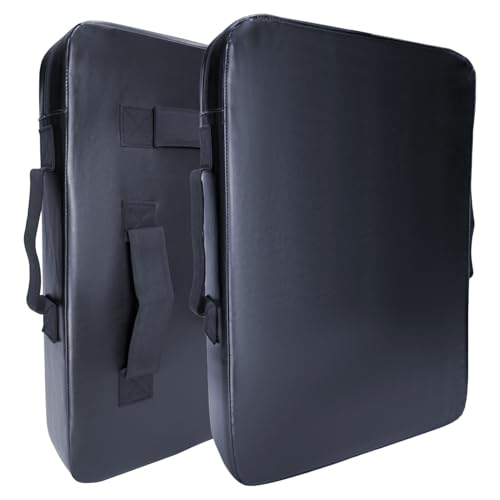 Best for larger shield workSANKOYO Basketball Pads for Training – Football Blocking Pad TrainingView on Amazon
- 5
 Best for group sessionsGoSports Blocking Pads – Great for Martial Arts & Sports TrainingView on Amazon
- 6
 Best for multi-grip setupsFootball Blocking Pad 24×16 Inch, Football Training Equipment, 5 HandlesView on Amazon
- 7
 Best lightweight optionBasketball Blocking Pads,Lightweight Training Defender StickView on Amazon
Our Top Picks
Quick Comparison 5 Best Lifetime Basketball Dribble Goggles for Ball Handling Training goes further into this.
| Product | Best for | Key feature |
|---|---|---|
| Franklin Sports Defender Pro Blocking Pad | All-around defensive drills | Multi-sport build |
| Majestic Training Guard | Heavy contact | Stainless steel core |
| Basketball Defender Arm Training Pad | Arm and hand work | PU leather foam stick |
| SANKOYO Basketball Pads for Training | Larger shield work | 24 by 16 inch face |
| GoSports Blocking Pads | Group sessions | Standard or XL sizes |
| Football Blocking Pad 24×16 Inch | Multi-grip setups | Five handles |
| Basketball Blocking Pads Lightweight Defender Stick | Lightweight drills | Easy one-hand use |
Franklin Sports Defender Pro Blocking Pad – Training Aid – All Sport
Franklin Sports Defender Pro Blocking Pad – Training Aid – All Sport
Best for: All-around defensive drills
This pad suits coaches and players who want one aid across several defensive footwork drills. It is a general-purpose option that fits well into a shared team setup. Worth reading next: 5 Best Basketball Dribble Training Mats for Footwork and Agility.
Pros
- Versatile across sports and drills
- Simple to set up on a practice court
Cons
- Less specialized than dedicated basketball models
Majestic Training Guard – Premium Basketball Blocking Pad with Stainless Steel Core
Majestic Training Guard – Premium Basketball Blocking Pad with Stainless Steel Core – Lightweight Contact Stick for Basketball, Football, Soccer, MMA Training – Single Pack
Best for: Heavy contact
This pad is aimed at players who want a firmer hit and a steel-supported frame for repeated impact drills. It is a fit for experienced athletes doing physical defensive work.
Pros
- Stainless steel core supports firm contact
- Lightweight for its build
Cons
- Firmer feel may not suit younger players
Basketball Defender Arm Training Pad, PU Leather Foam Stick
Basketball Defender Arm Training Pad, PU Leather Foam Stick
Best for: Arm and hand work
This stick-style pad focuses on arm position and hand fighting. It works well for players learning to keep active hands without fouling.
Pros
- Targets arm and hand placement directly
- Foam and PU leather construction is easy to grip
Cons
- Smaller contact surface than shield-style pads
SANKOYO Basketball Pads for Training – Football Blocking Pad Training Equipment with Handles
SANKOYO Basketball Pads for Training – Football Blocking Pad Training Equipment with Handles, 24"x16" Denser Softer Foam Shield for Lacrosse, Hockey, Martial Arts – Tackle Dummy Kick Pad. (1 Pcs)
Best for: Larger shield work
This larger pad gives a wide target for chest and shoulder contact. It suits players who want a broader surface for slide and recovery work.
Pros
- Large 24 by 16 inch face
- Denser foam for steady resistance
Cons
- Bulkier to store and carry
GoSports Blocking Pads – Great for Martial Arts & Sports Training
GoSports Blocking Pads – Great for Martial Arts & Sports Training (Football, Basketball, Hockey, Lacrosse and More) – Standard or XL Sizes
Best for: Group sessions
This pad is offered in standard and XL sizes, which helps coaches match equipment to different body sizes. It fits group drills where several players rotate through the same station.
Pros
- Standard and XL sizes available
- Suits mixed-sport training groups
Cons
- General sport design, not basketball-specific
Football Blocking Pad 24×16 Inch, Football Training Equipment, 5 Handles
Football Blocking Pad 24×16 Inch, Football Training Equipment, 5 Handles (1 Adjustable), Dense Foam Tackling Dummy, Hitting Pad, Contact Shield, Basketball Training Pad, Football Practice Equipment
Best for: Multi-grip setups
The five handle positions let a partner or coach hold the pad at different heights and angles. It works well for varied drill setups.
Pros
- Five handles, one adjustable
- Dense foam tackling dummy build
Cons
- Heavier than stick-style pads
Buying Guide
Pad Size and Surface Area
Larger pads give you a bigger target for hand placement and arm extension, which helps when you are working on hand fighting and closeout footwork. Smaller pads are easier to carry and angle quickly, but they offer less area to aim at during drills.
Think about the body part you want to train most. A compact pad suits arm-extension work, while a wider shield better mimics the feel of a defender’s torso.
Handle Design and Grip Options
Some pads use a single center handle, while others include several grips so a coach or partner can hold the pad from different angles. Multiple handles give more flexibility for drills that change direction or height. A single handle keeps the setup simple if you are training alone.
Check whether the handles are fixed or adjustable. Adjustable grips can help match the pad to your height and the type of drill you run.
Core Construction and Firmness
The inner construction affects how the pad feels on contact. Denser foam tends to hold its shape and resist compression, while softer foam can absorb impact more gently. A stiffer core may be better for simulating a firm screen or contact point, while a softer one is easier on the shoulders during long sessions.
Look at the stated materials and core design, and choose the firmness that matches the level of contact you want in practice.
Durability and Surface Material
Pads take repeated hits, so the outer covering and stitching matter. Synthetic leather and heavy-duty foam generally handle regular use better than lighter materials. If you plan to train often or with a partner, prioritize a cover that resists tearing and a frame that stays secure over time.
Portability and Intended Use
Consider how and where you will train. A lightweight pad is simpler to carry to a park or gym, while a heavier shield may stay put better on a hard court but is harder to move. Some pads are designed for multiple sports, so if you also train for football or martial arts, a versatile option may give you more use from one purchase.
FAQ
Can I use a defender extender pad by myself?
Yes, many players use these pads alone to practice closeouts, arm extension, and stance recovery. Pads with a stable handle setup make solo work easier. Having a partner can add live movement, but it is not required for most skill drills.
What is the best pad size for a beginner?
A medium-sized pad with a comfortable grip is usually a good starting point for beginners. It offers enough surface to aim at without being too cumbersome to hold for long sets. Beginners can then move to larger or firmer options as their technique improves.
Do these pads work for drills other than defense?
Many of these pads are built for more than one sport, so they can support contact and blocking drills in football, hockey, or martial arts. Their uses depend on the specific design. Check the product details to see which sports the manufacturer lists.
How often should I replace a training pad?
Replace a pad when you notice cracks in the foam, torn covering, loose handles, or a core that no longer holds its shape. Regular inspection helps you spot wear early. Safety comes first, so retire any pad that feels unstable during use.
Should I choose a firm or soft pad?
A firmer pad better simulates a solid defender’s body and works well for hand-fighting drills. A softer pad is gentler on the arms and shoulders during long sessions. Many players keep a mix in mind depending on whether the goal is realism or comfort.
Conclusion
If you want a simple, portable option for solo arm-extension and closeout work, a compact pad with a single grip is a practical choice. Players who train with a partner or need more contact surface should look at larger shields with multiple handles.
For multi-sport training or frequent use, prioritize durable construction and a firmness level that matches your drills. Matching the pad’s size, handle design, and core to your training goals will get you the most value from your practice time.
Related reading
- Basketball Pad for Training: How to Choose and Use One (2026)
- 6 Best Basketball Training Blocking Pads for Skill Drills (2026)
- Youth Basketball Training Videos: 6 Steps to Pick and Use Them Well
- Youth Basketball Training Camps: How to Choose the Right One (2026)
About Emily Parker
Emily Parker is part of our editorial team and reviews and edits our basketball skills & drills guides, checking product details against manufacturer specifications and owner feedback.
About the author
Emily Parker writes reviews and buying guides for Pressure Basketball.